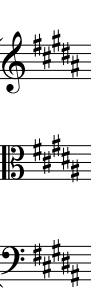
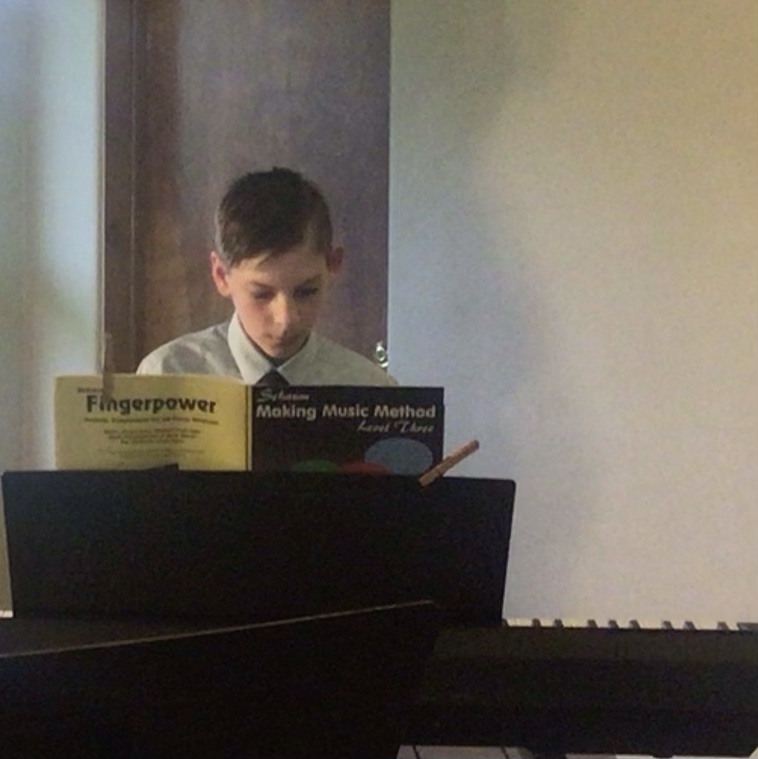
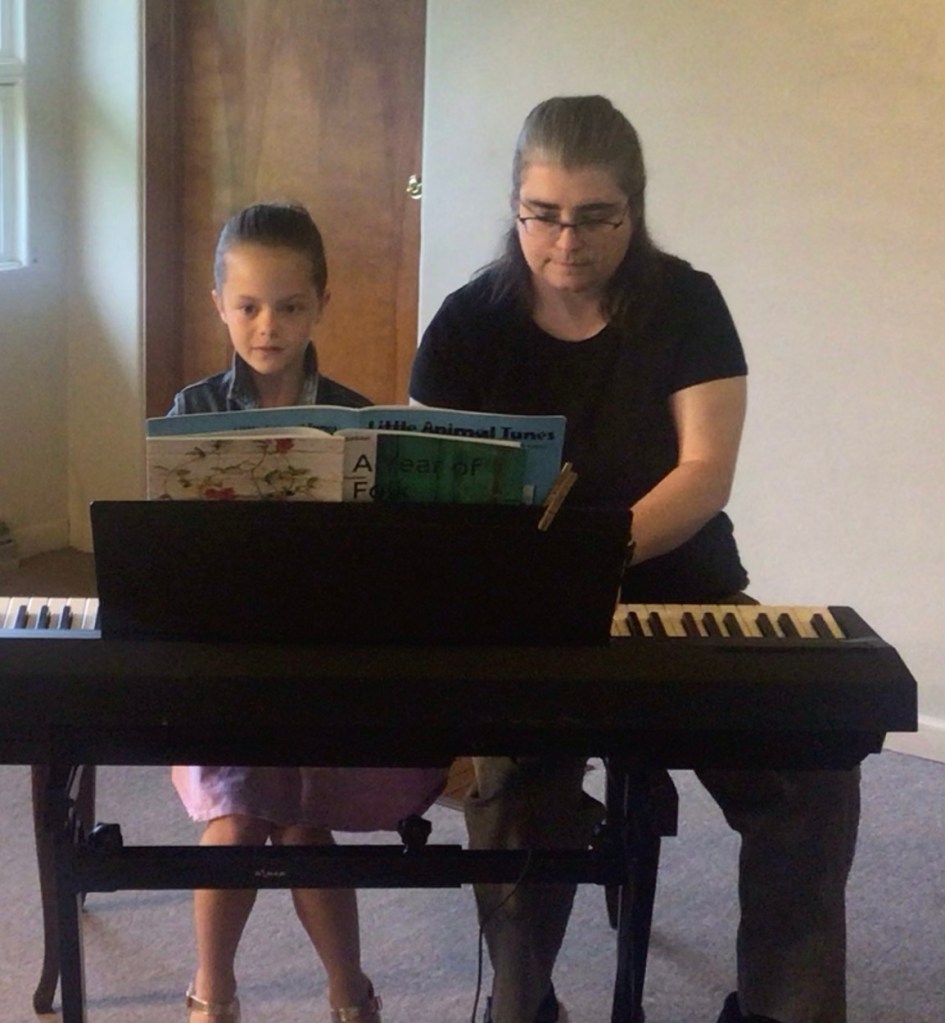
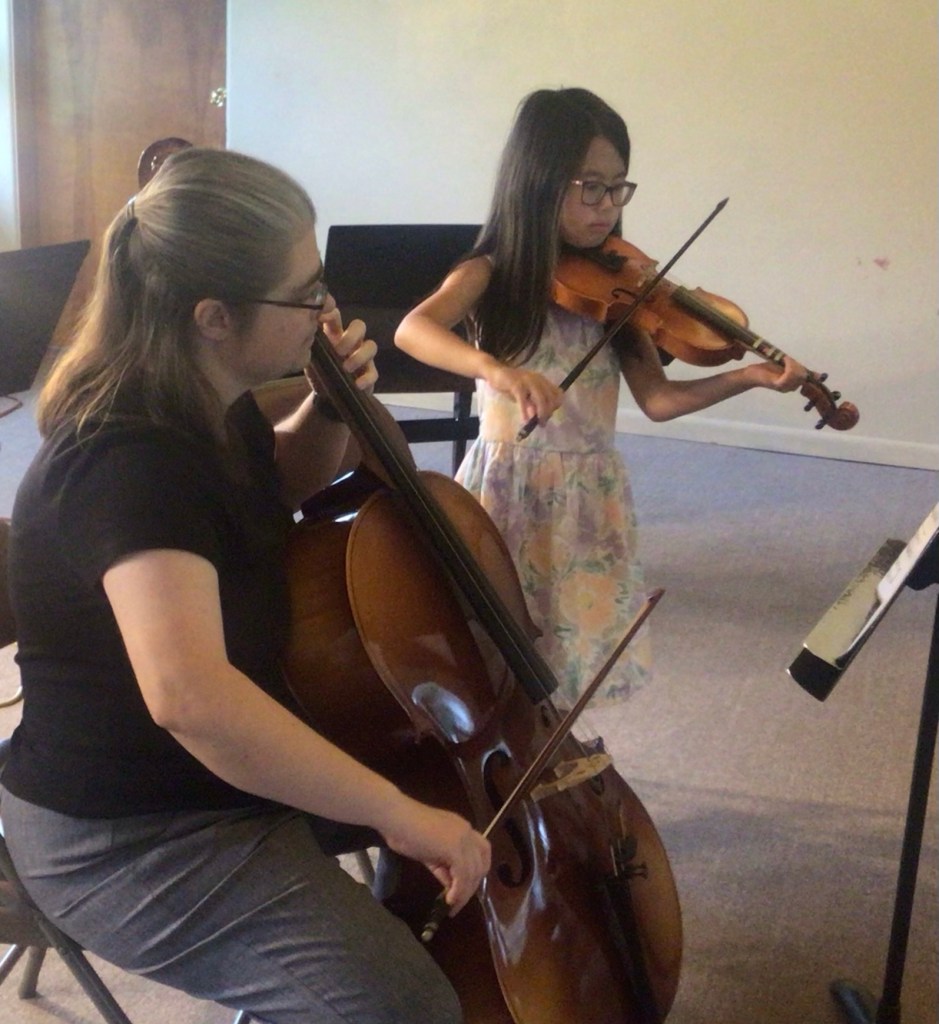
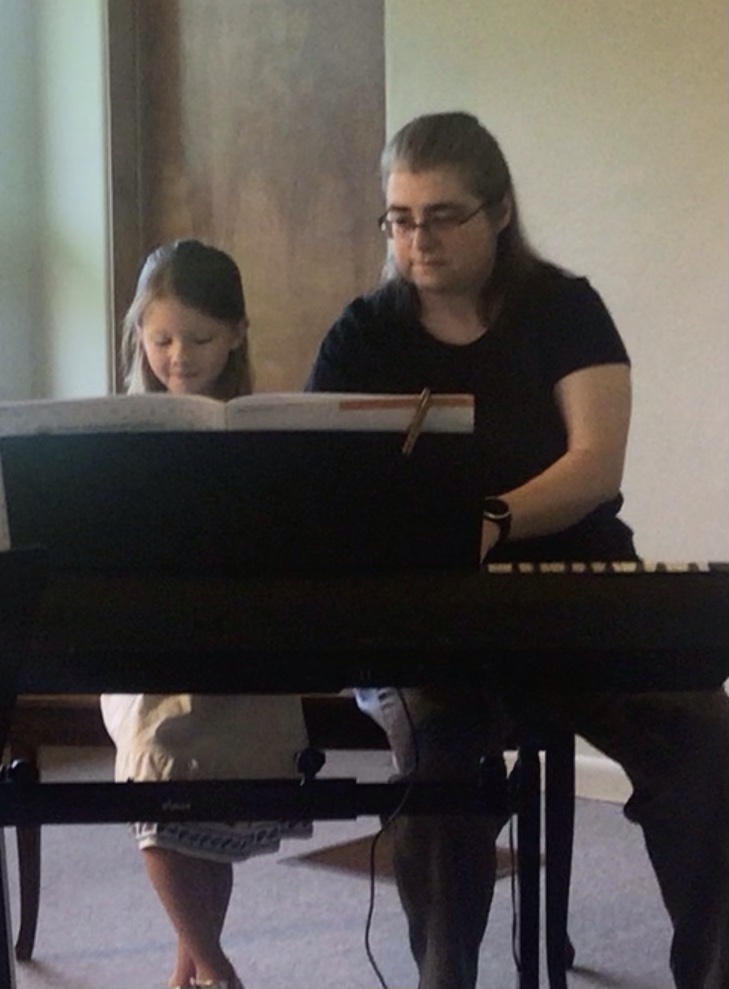
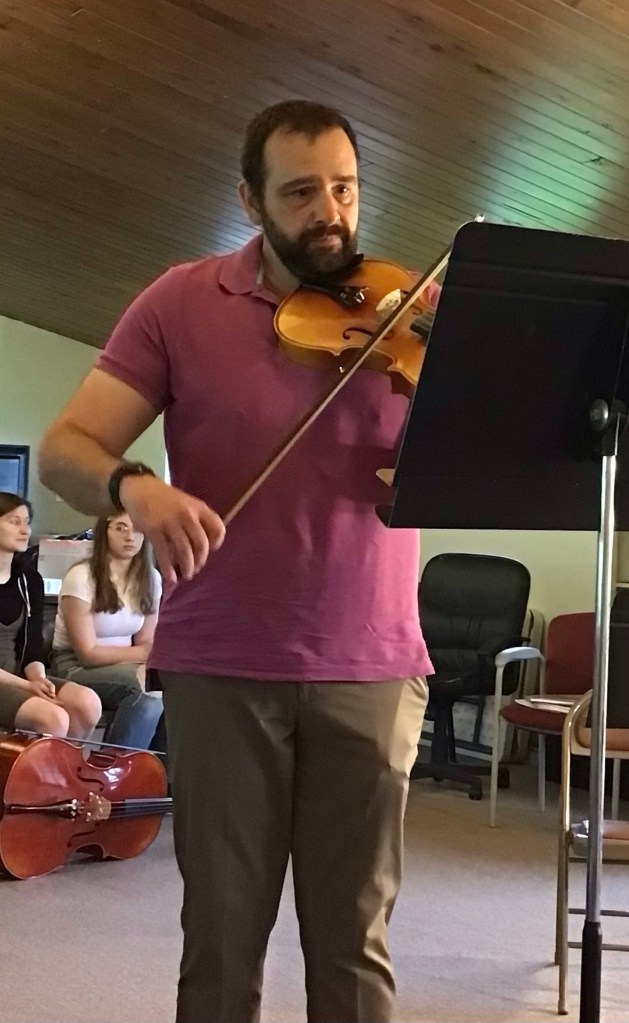
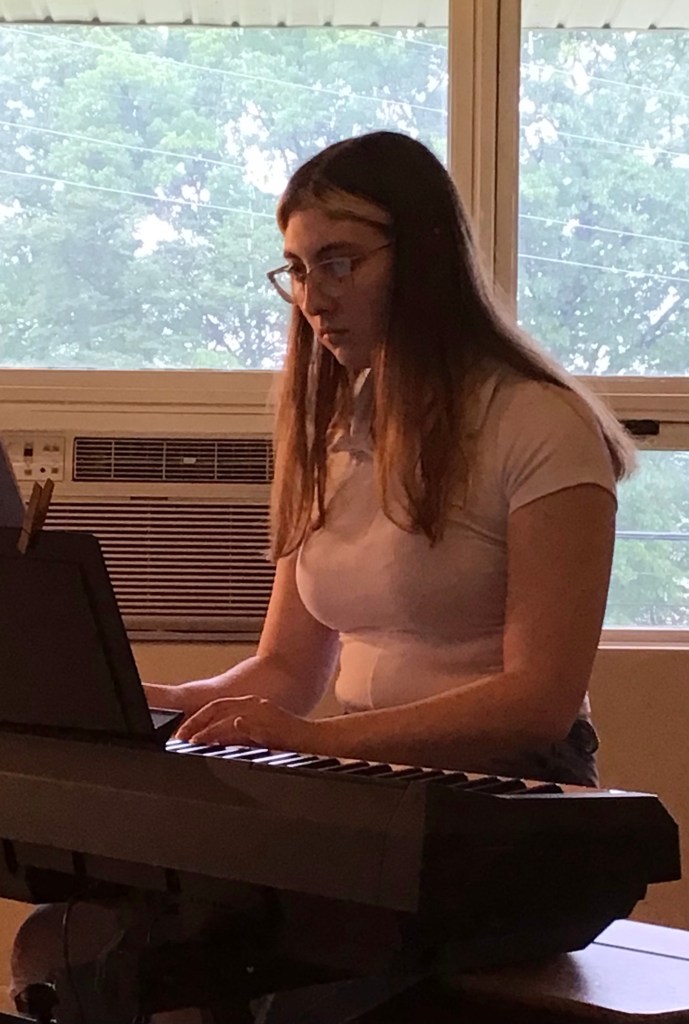
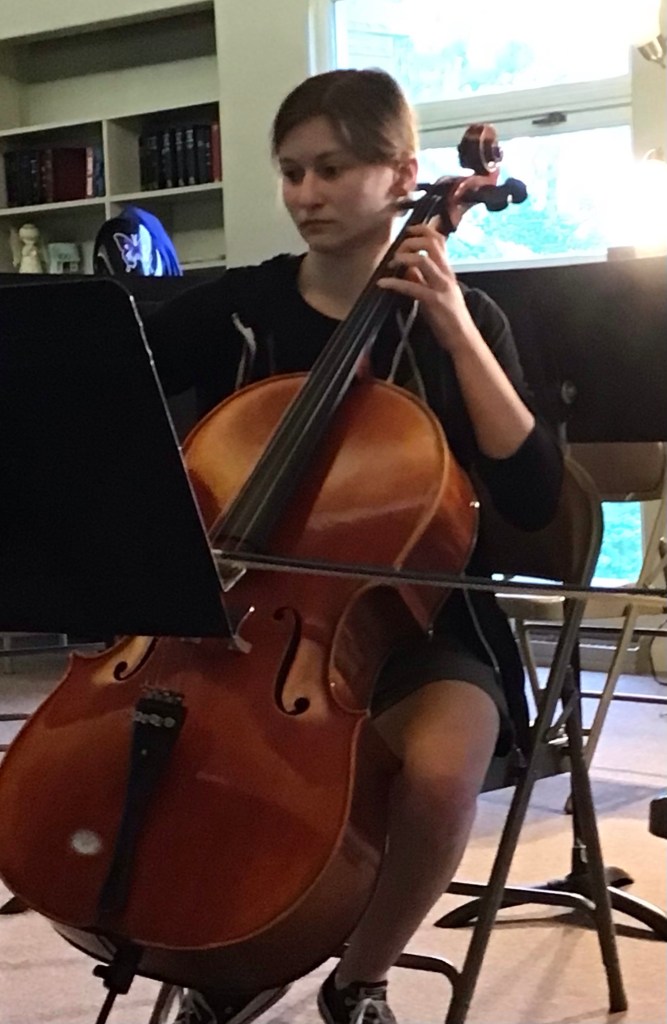
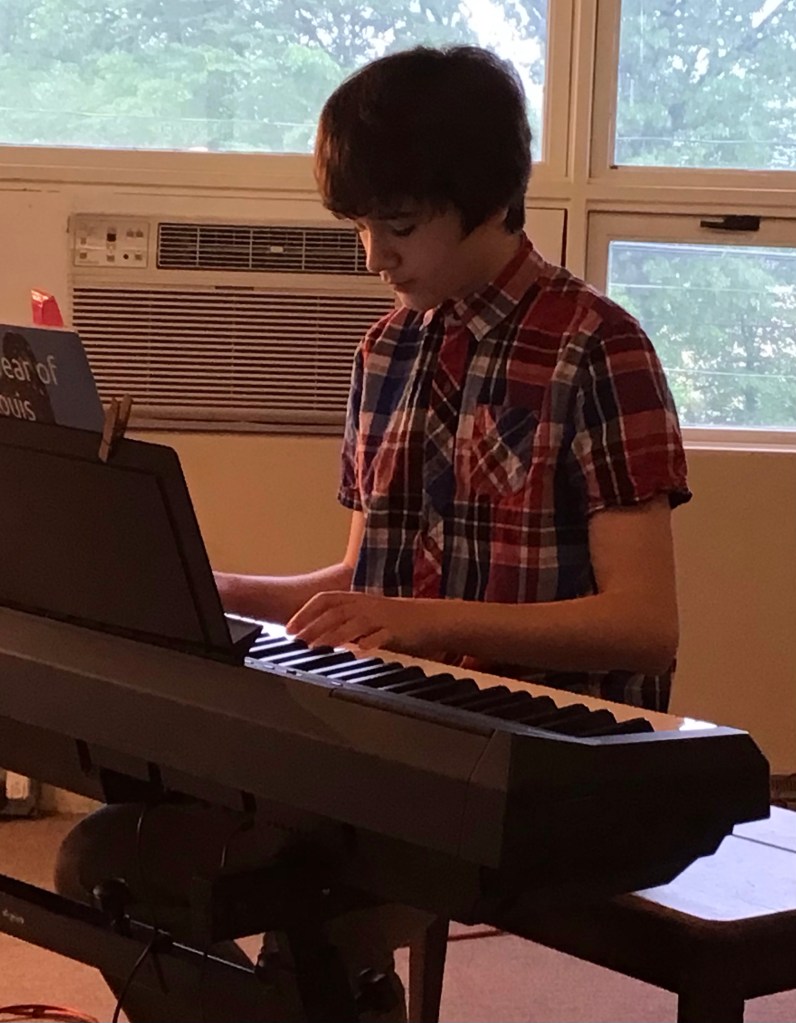
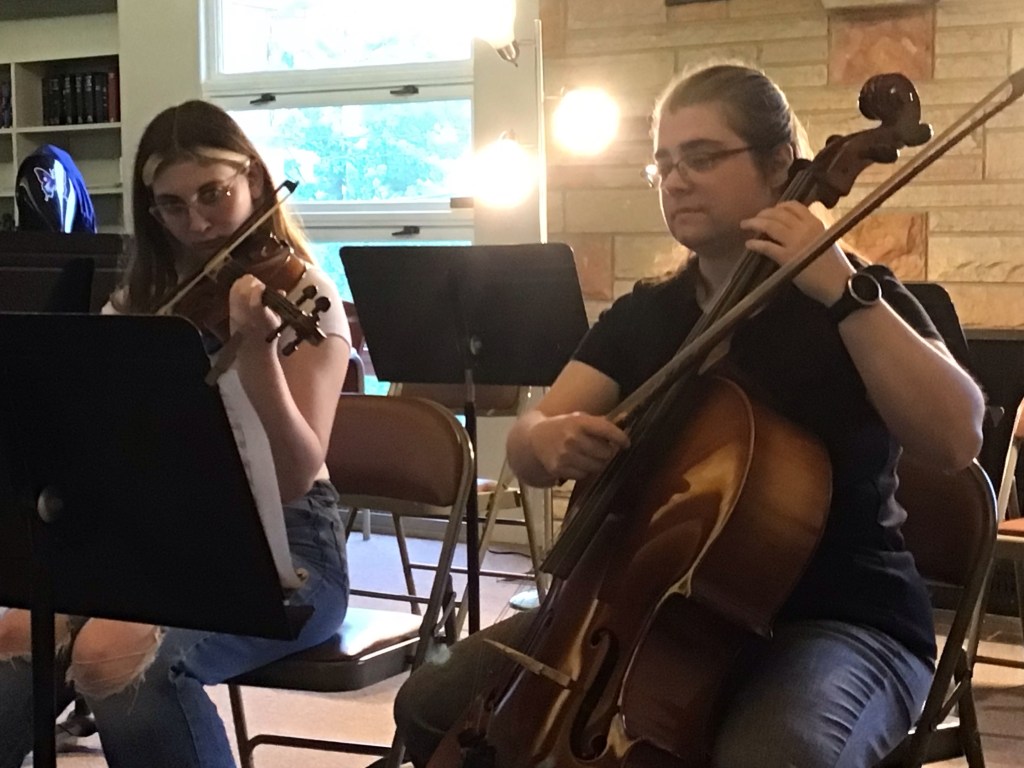
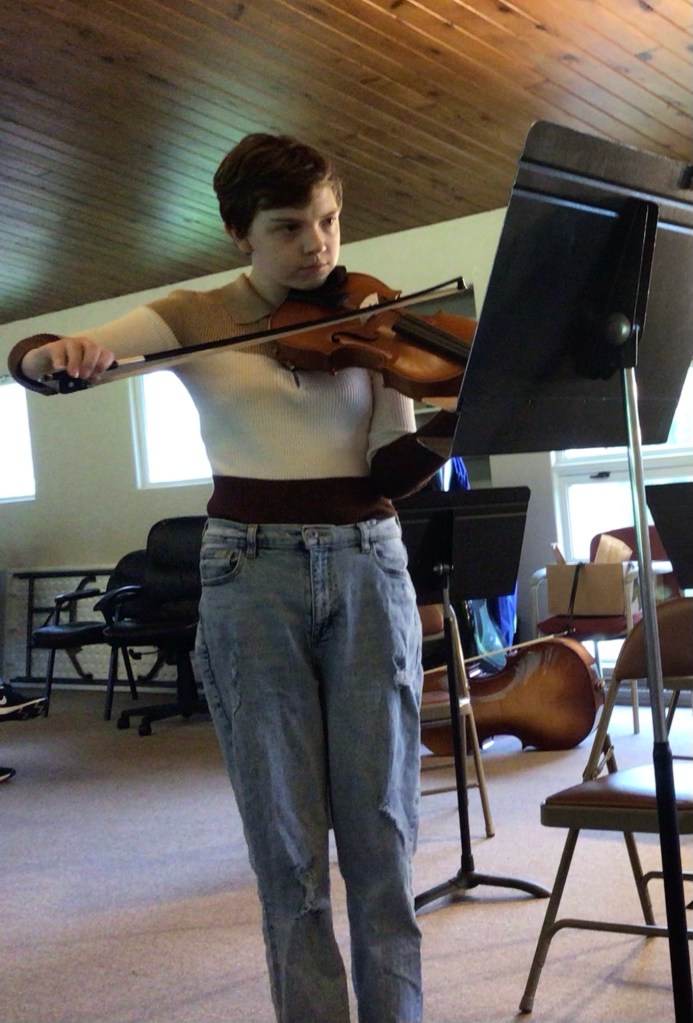
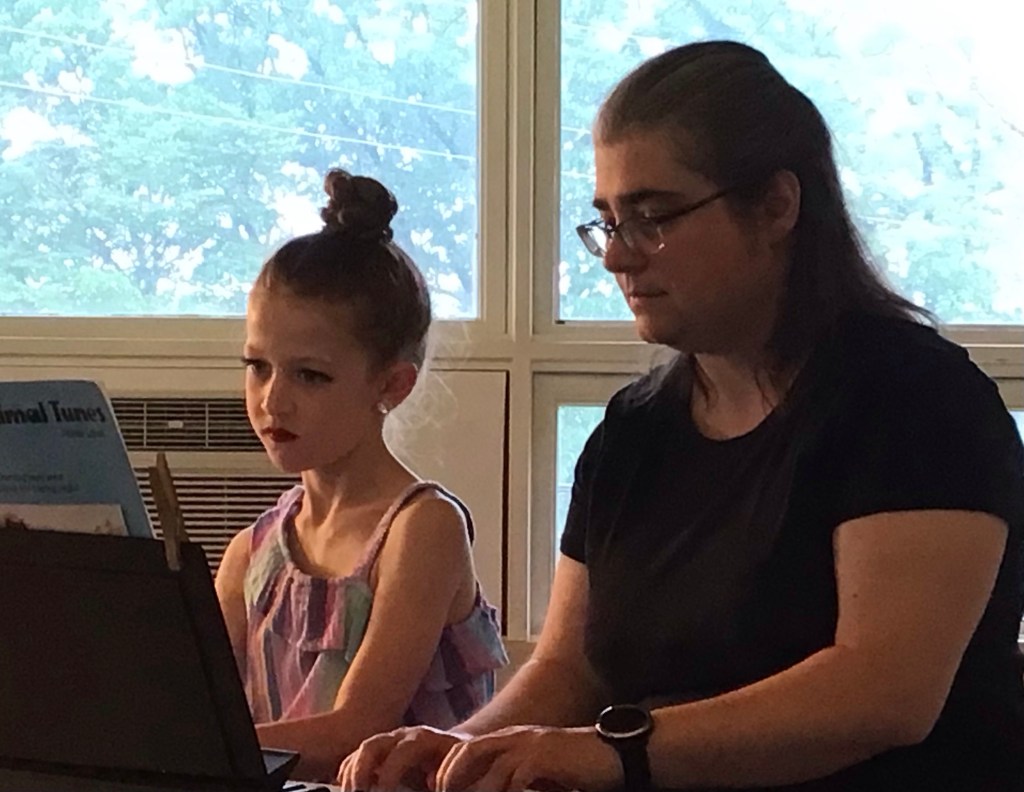
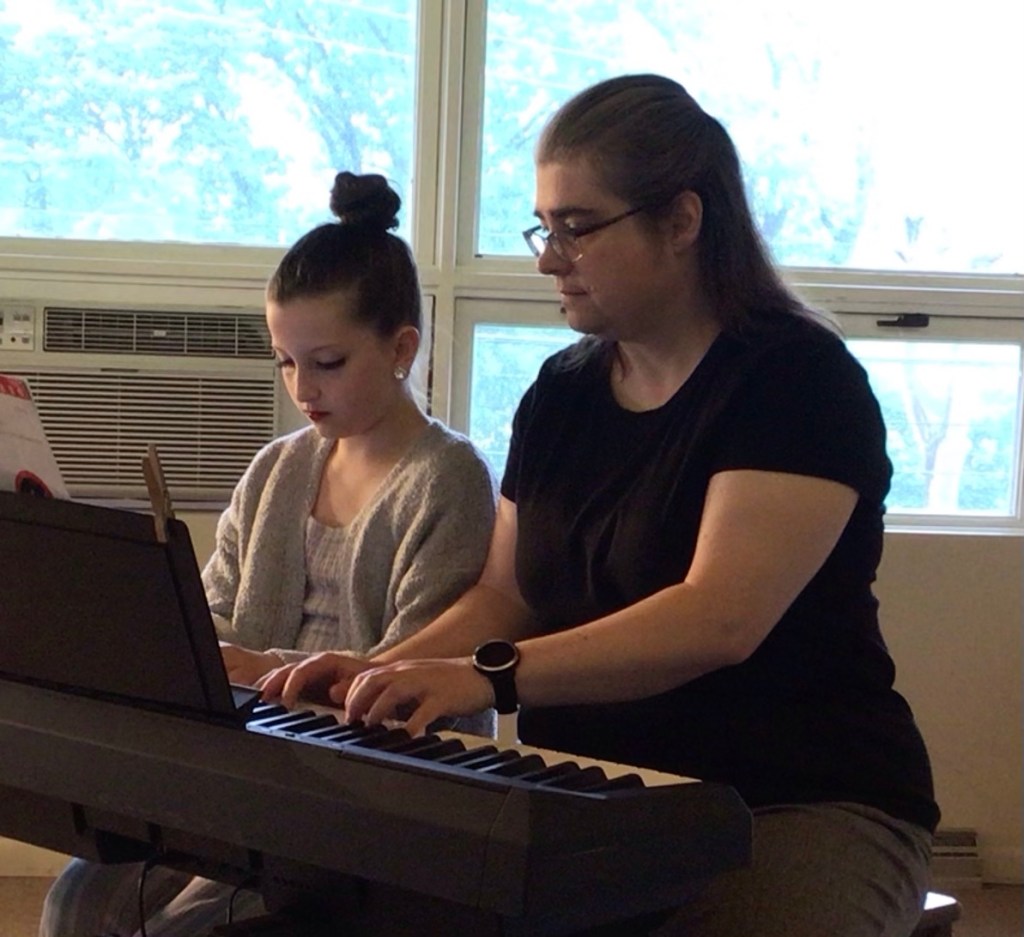
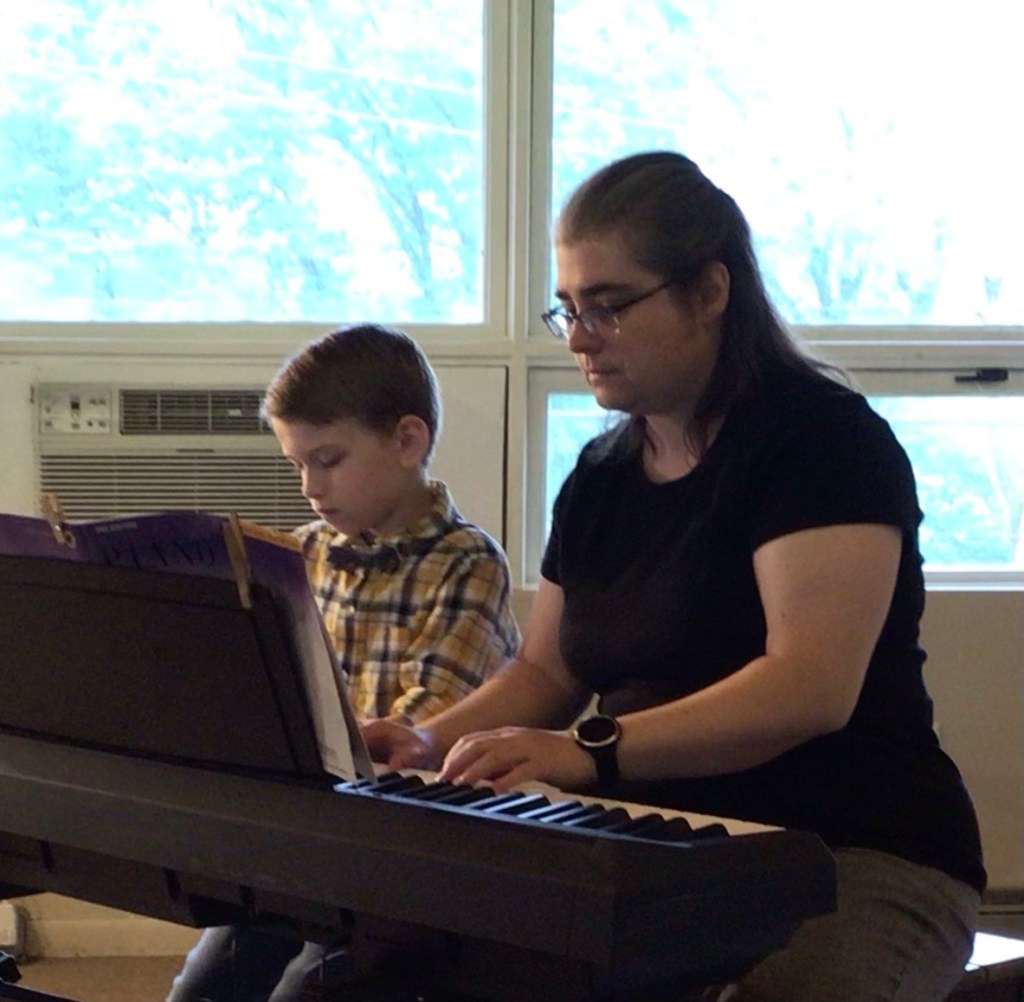
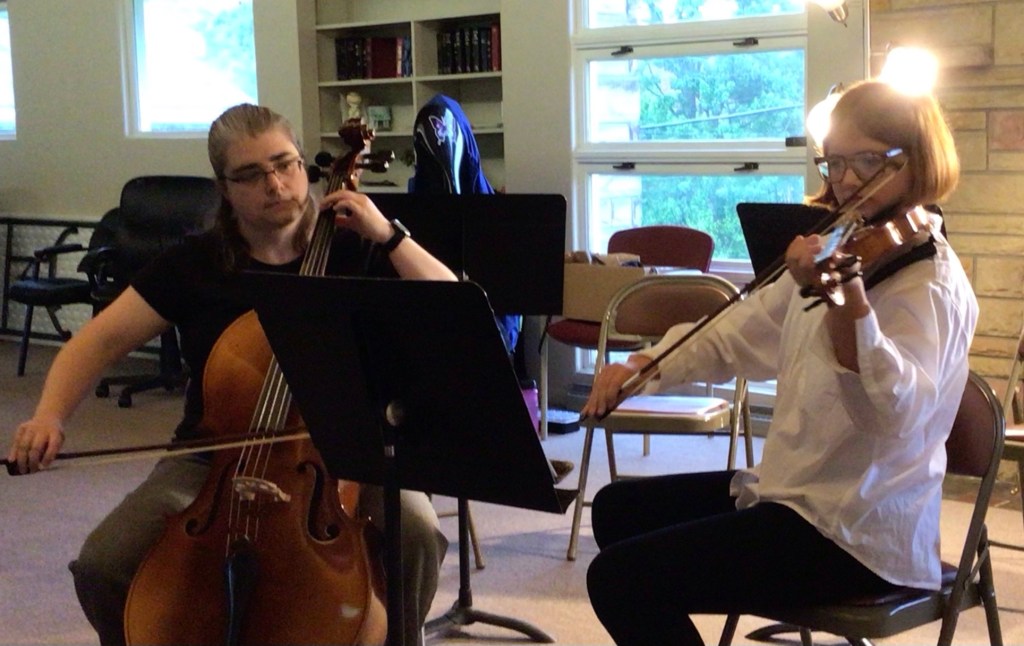
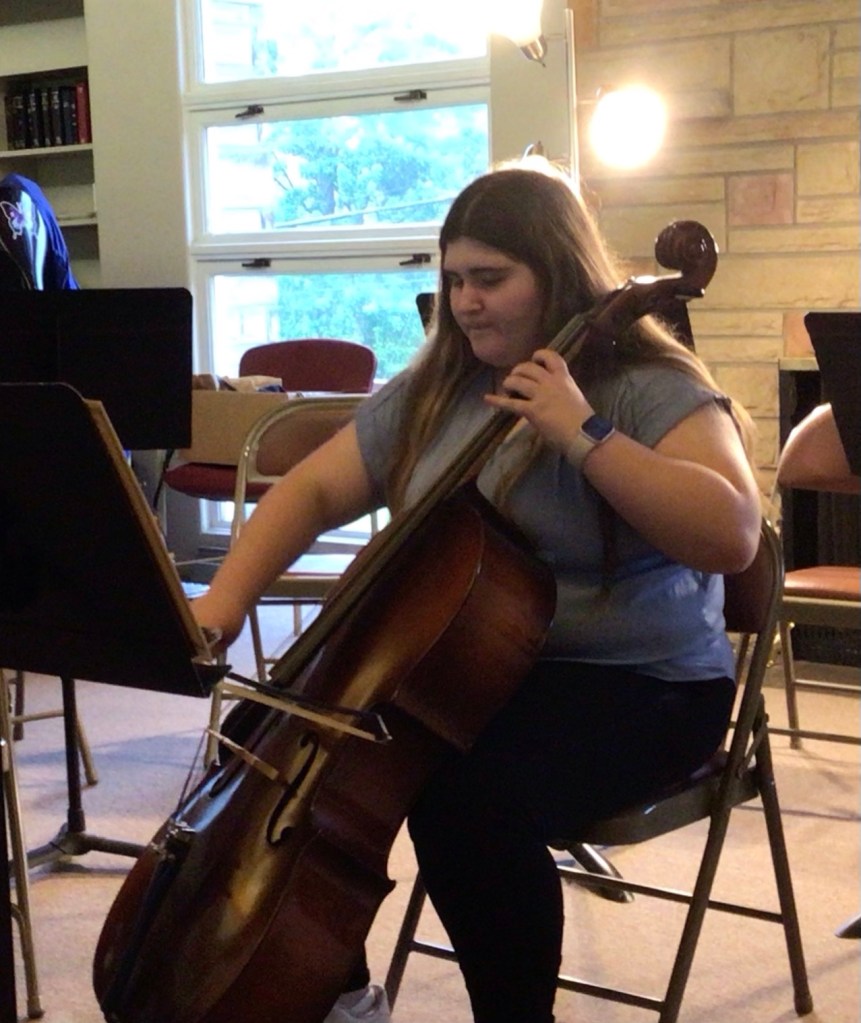
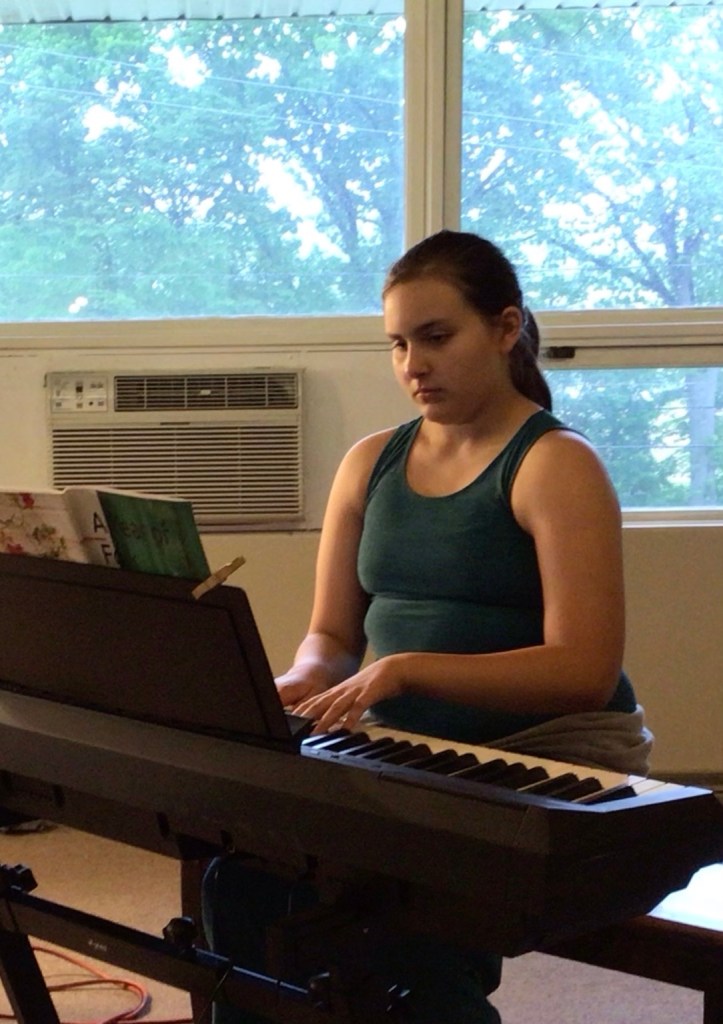
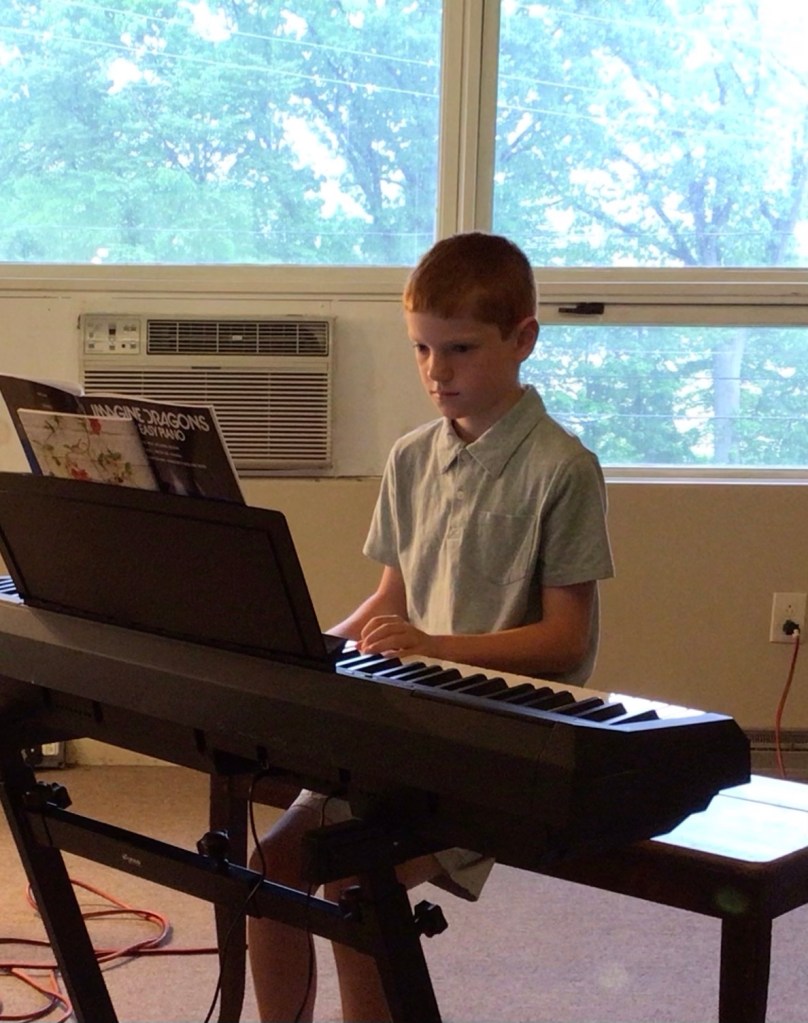
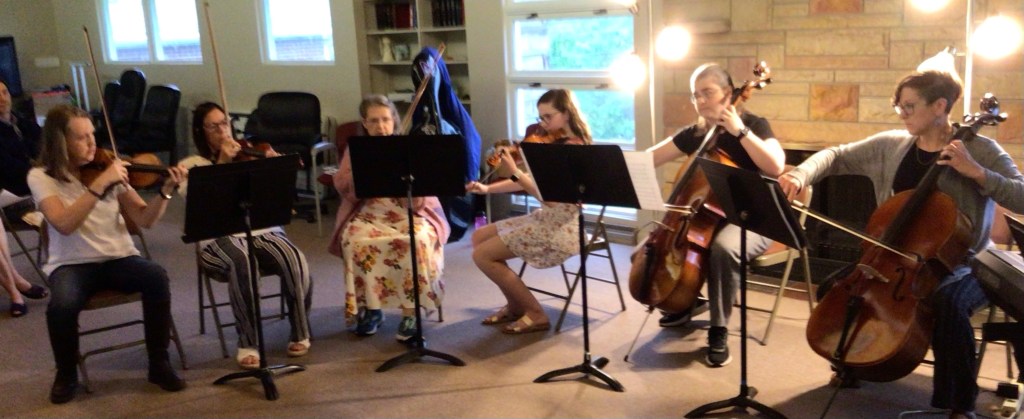
This morning we worked on the F Sharp Major Scale. It is the scale of the month for A Year of Folk Tunes. Then we worked on the opening of Yankee Doodle (starting on F Sharp.) If you missed it you can catch up with the video. The final section of Yankee Doodle was a complete party!
Play along with the video for extra practice in half position and the key of B. This morning we worked on arpeggios, Shenandoah and Catch Me if You Can.
In A Year of Folk Tunes, June’s key of the month is B Major and G Sharp Minor. It’s not a key that shows up in a first or second year method book. However, when you need to be able to use it, it’s usually urgent!
I wrote four rounds to help navigate this key. Everyone who played them, got a lot better at the hand positions required for B Major and G Sharp Minor. The rounds have one part doubled so they would be playable with only two parts. In score form, each tune also has an optional piano part for extra rehearsal options.
Catch Some Rays is in B Major and 3/4 time. The violin and viola lead off in this tune.
Catch Some Air is also in B Major. The canon in 4/4 time uses rests to incorporate the air space into the thought process. Watch the last measure in the violin part, it is surprisingly tricky.
Catch Some Waves is beautiful with crescendos and diminuendos on the rising and falling eighth notes.
The G Sharp minor round is Catch Me if You Can. The articulation brings to mind someone on tip-toe. The low voice gets to begin this round.
Summer Sound Explorers is Wednesday morning at 7:30. If you slept in and missed it, catch up with the video. We worked on B Major Scale and Shenandoah.
Summer Sound Explorers is Wednesday morning at 7:30. If you slept in and missed it, catch up with the video. We worked in the Key of B Major and on the opening of Shenandoah.
The bird canons for string ensemble are in E Major and C Sharp Minor. The rounds have one part doubled so they would be playable with only two parts. In score form, each tune also has an optional piano part for extra rehearsal options. The rounds provided supplemental material for the students working through A Year of Folk Tunes. Any student who needs more practice with four sharps will find them valuable.
Pelican Gulp opens with the cello part. The violin and viola parts are doubled. Work on legato sound and watch out for the D sharps.
Eagles Landing has the violin and viola parts doubled. Watch the G sharps in particular.
Turkey Trot uses syncopated rhythms to emulate the dancing birds. Once it’s learned, a nice brisk tempo is terrific.
Kiwi Can-can is a C sharp minor round. The cello part starts the piece and the violin and viola parts are doubled.
The sheet music is available as a digital download.
The Ants Go Marching is now available as a digital download on Sheet Music Plus.
Included in A Year of Folk Tunes for Piano, the digital download version has A Major warm-ups and preparatory studies to make it easier to learn the piece.
The first verse can be played with no hands together notes and could stand alone as a solo. The second verse requires hands together and position changes in both hands. A great piece for exploring 6/8 time.
Miriam Troxler resides in Beaver, Pa, where she runs a private music studio.
After graduation from Chatham University, she toured in Europe with the Continental Singers Orchestra as principal cellist. A long time member of Greenville Symphony Orchestra, she is also the founder and musical director of CelloBrationS. Miriam enjoys composing and arranging with several published pieces to date.