Music Camp

Just a reminder, the early registration discount is May 15.

Camp Flyer 2012

Posted in music camp | Tagged , , , , , , , , , , , , , , , , , , | Leave a comment

Mill Creek MetroParks Farm

This gallery contains 11 photos.

Recently we visited the Mill Creek MetroParks Farm.  We went through two of the barns. Barn 5 had baby animals inside as well as a few out in the pasture next to the barn.  We saw sheep, goats, pigs, calves and … Continue reading →

More Galleries | Tagged , , , , , , | Leave a comment

MetroParks Farm

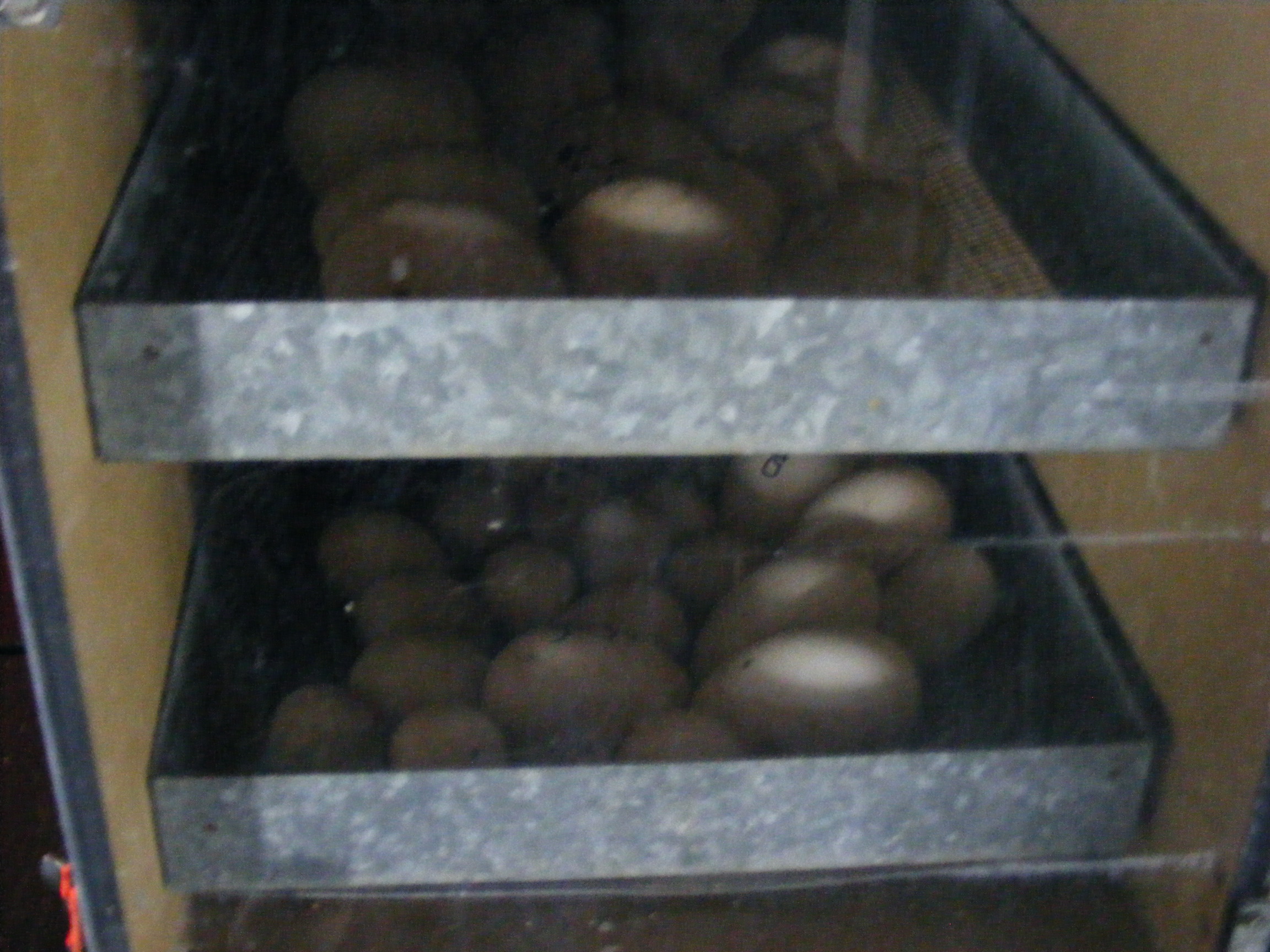
Recently we visited the MetroParks Farm.  We walked through two of the barns. In Barn 2, there were fowl babies. There were eggs being incubated.

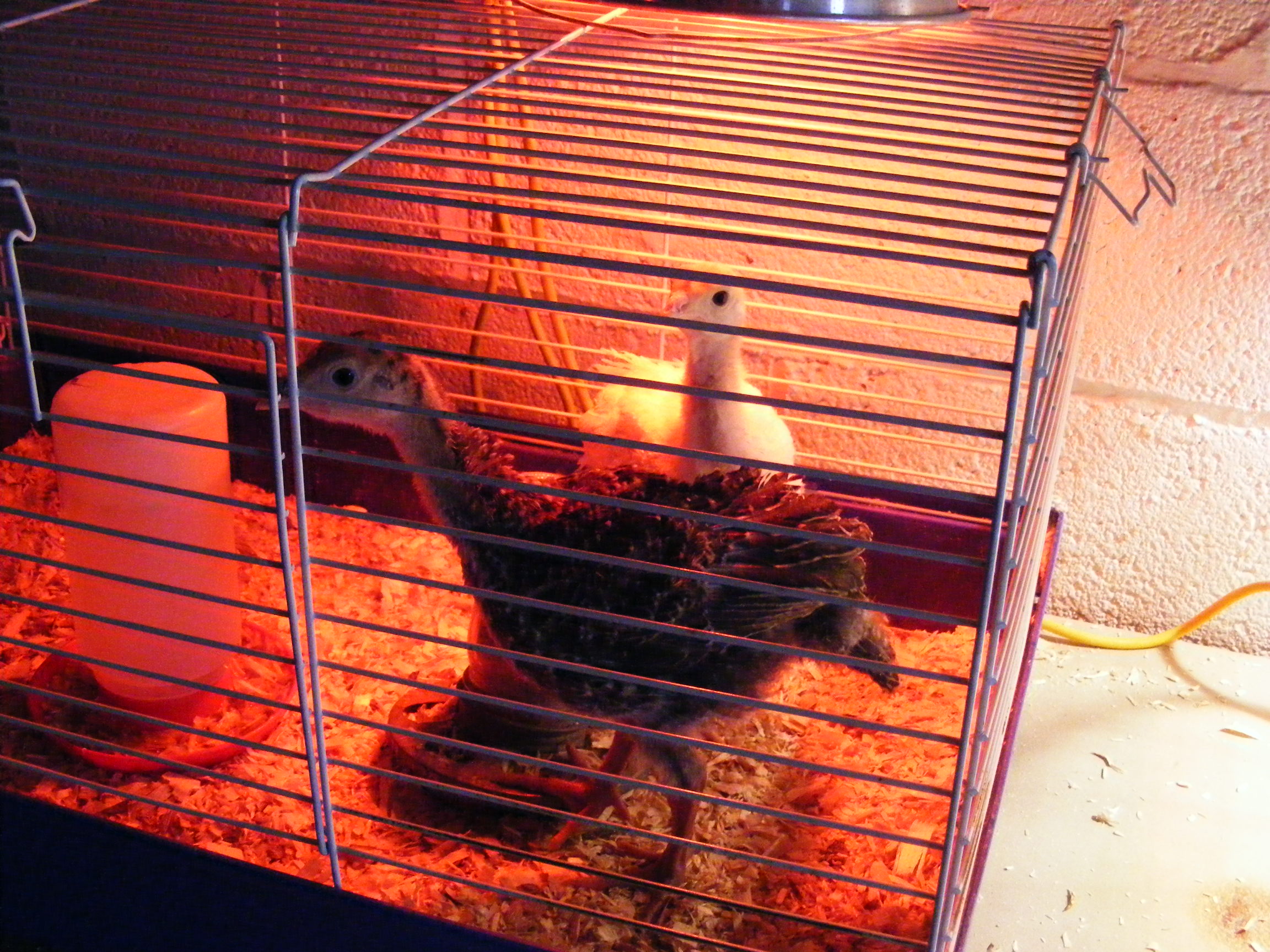
We saw some young turkeys.

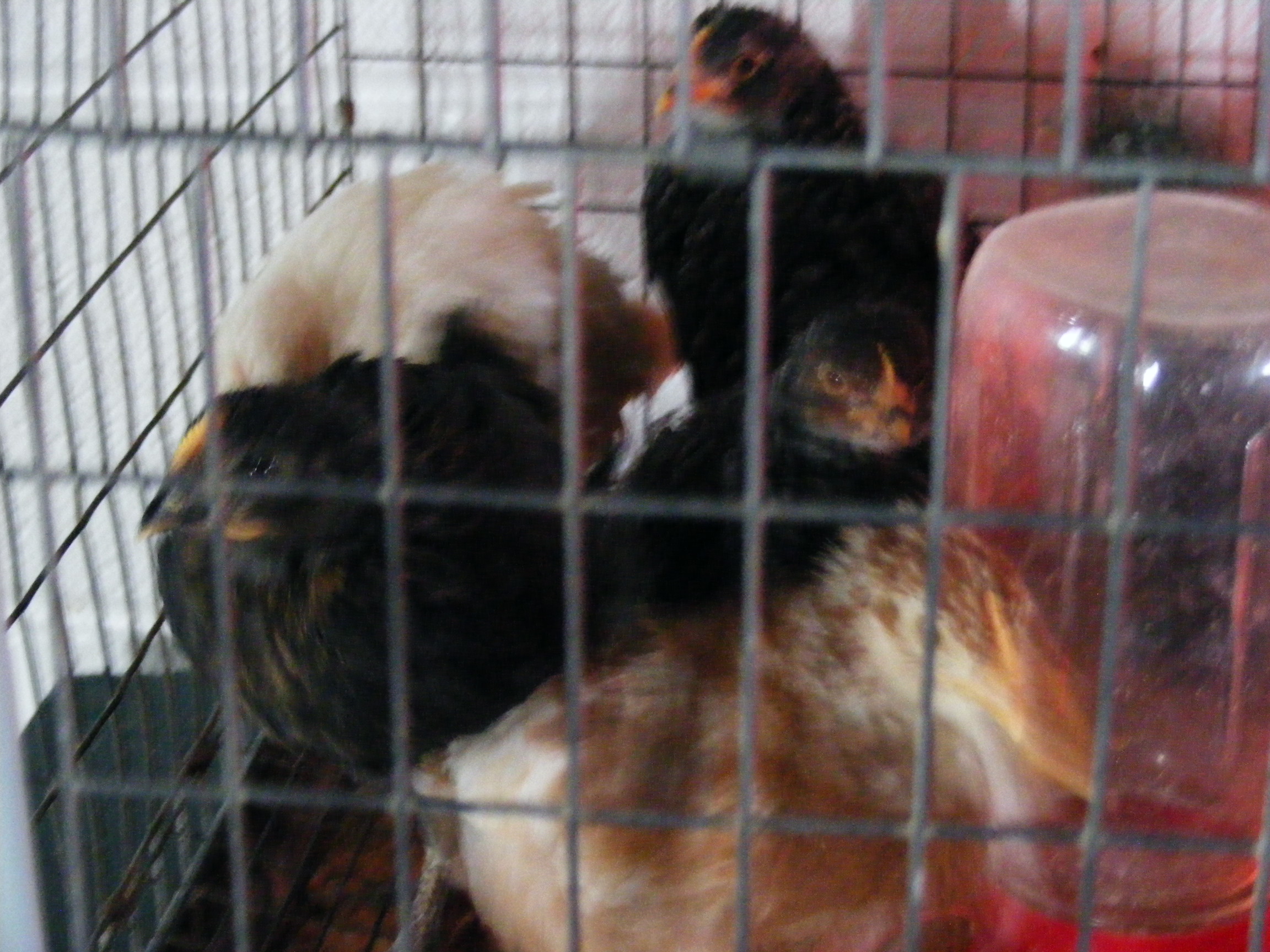
Here are some chicks that were born around March 28.

Compare them to the chicks born about a month later.

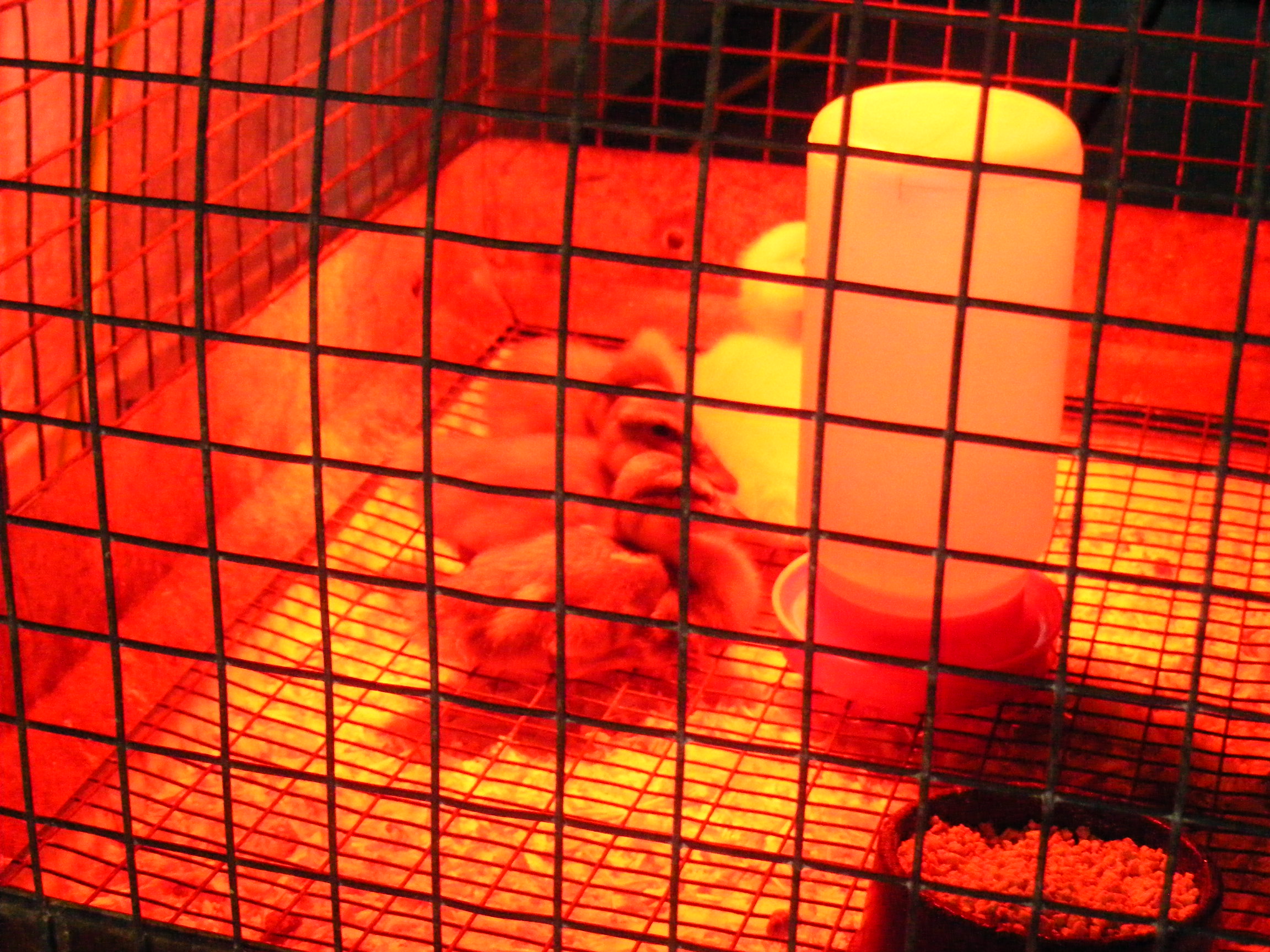
We saw four ducklings as well.

Posted in photography | Tagged , , , , , | Leave a comment

Birds at Mill Creek

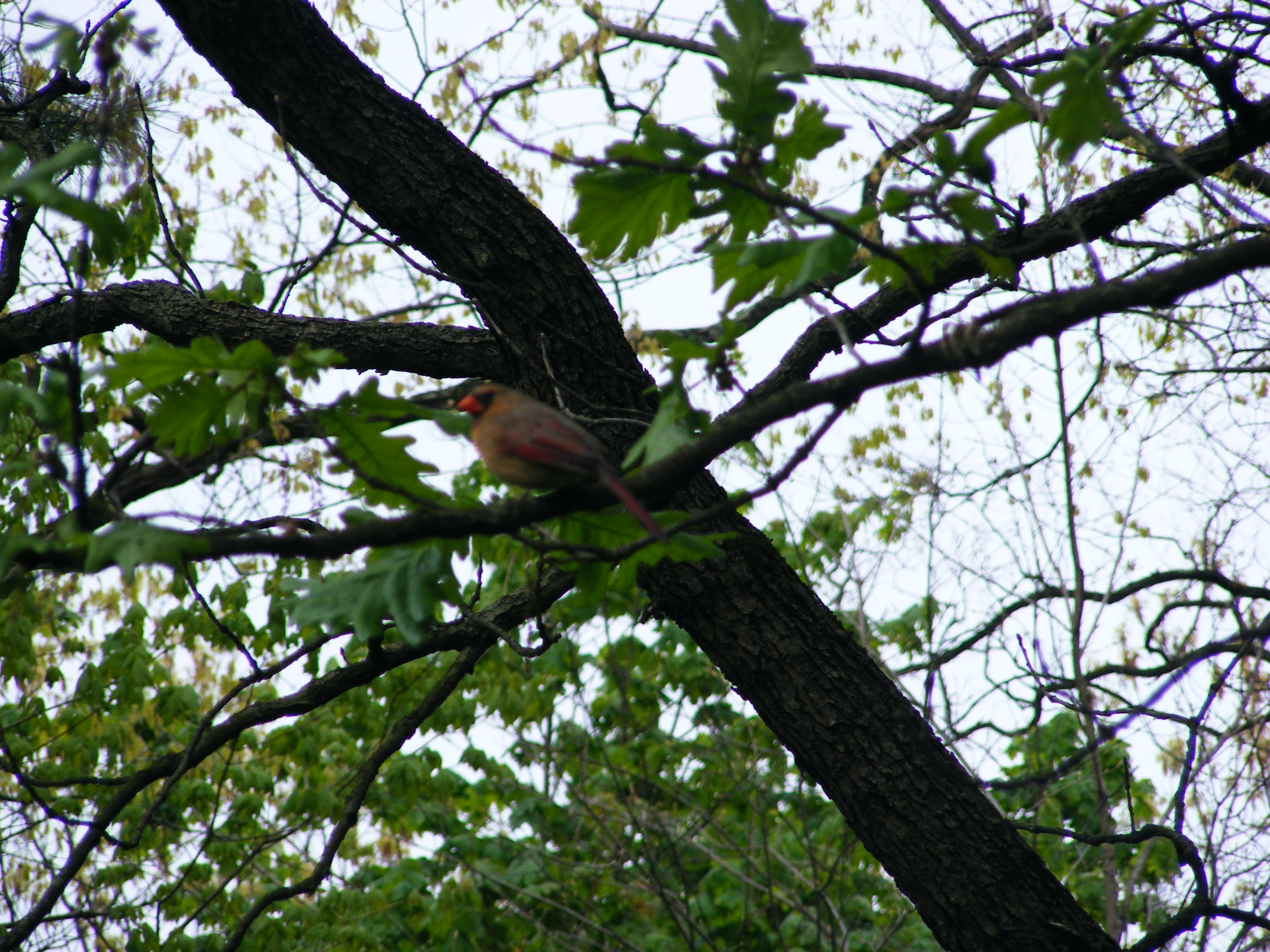
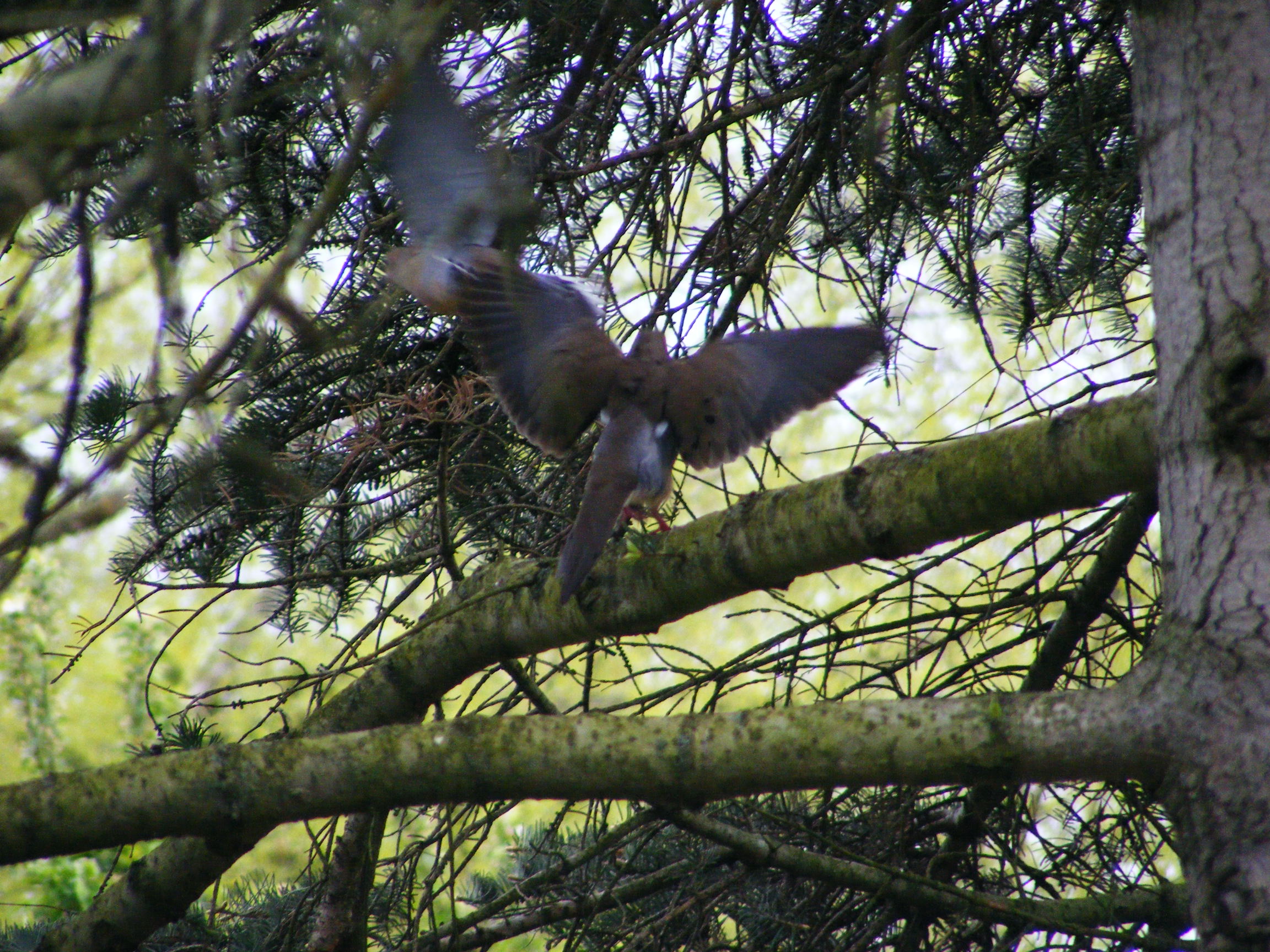
On our recent trip to Mill Creek MetroParks, we saw lots of birds. Early in the day, I thought the female red bird would be the best picture of the day.

However, I captured these two.

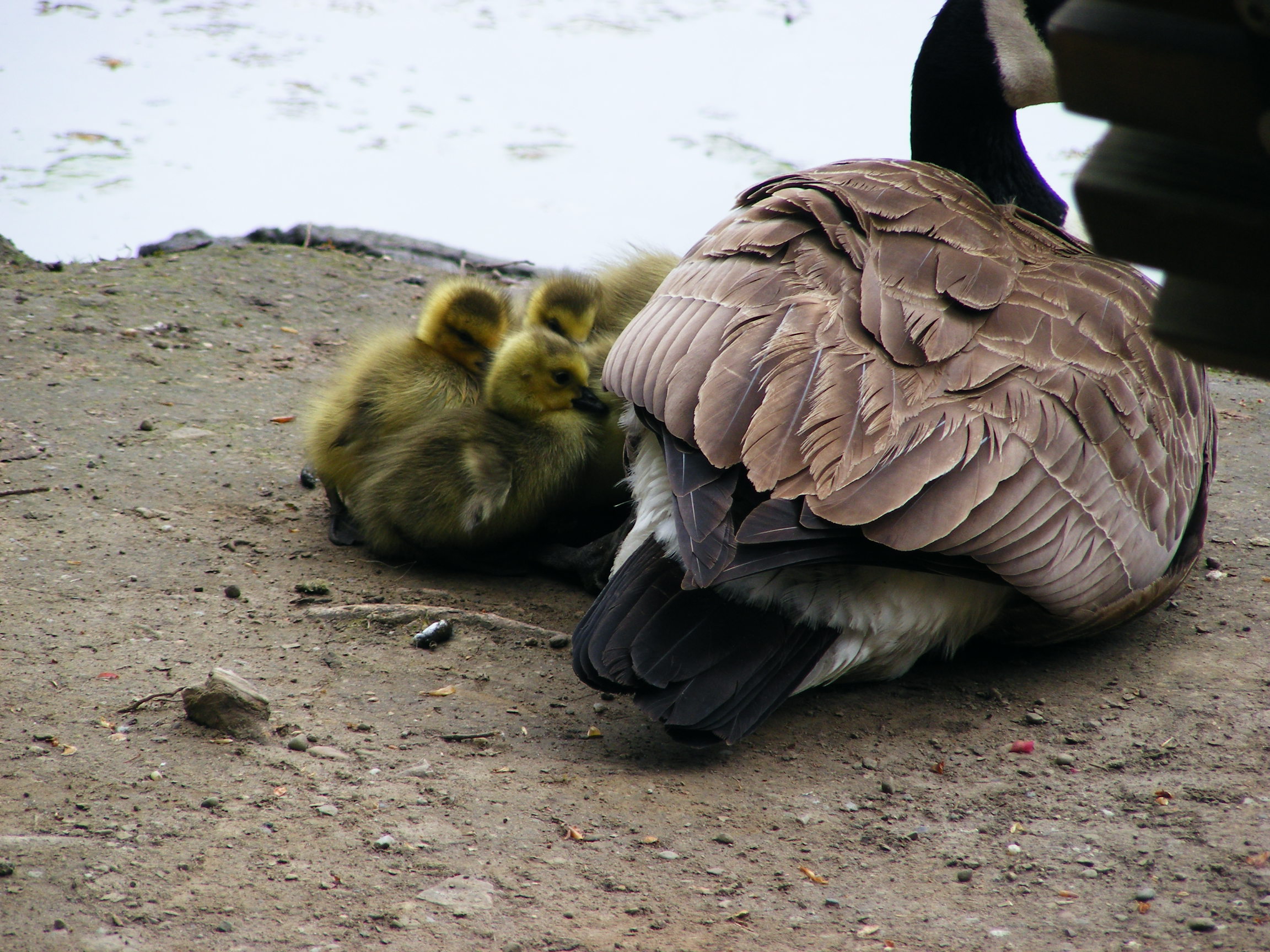
As we left Fellows Riverside Gardens for the Lily Pond, we saw a goose family. We parked the car so I could get some pictures.

 Then we arrived at Lily Pond.

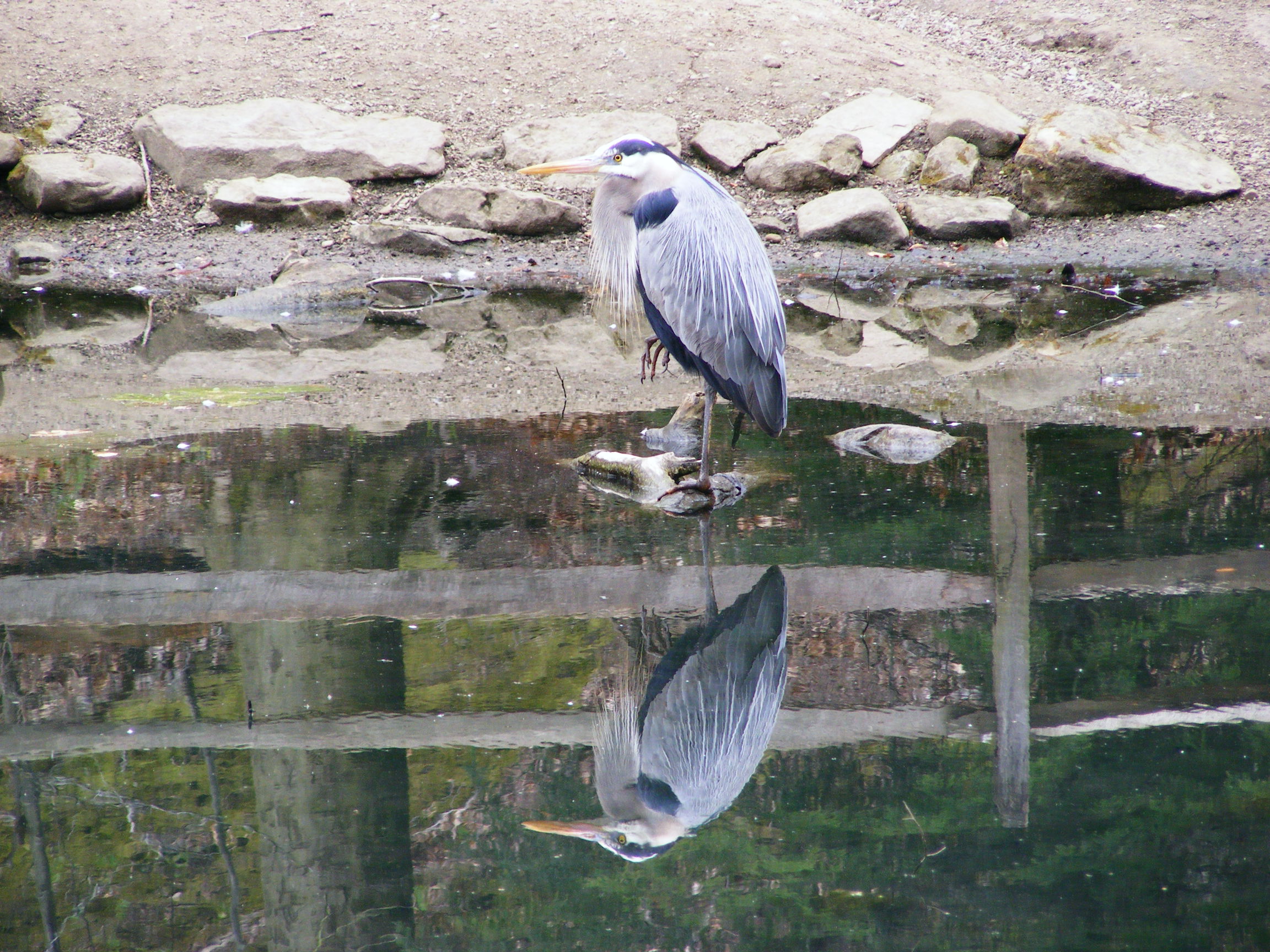
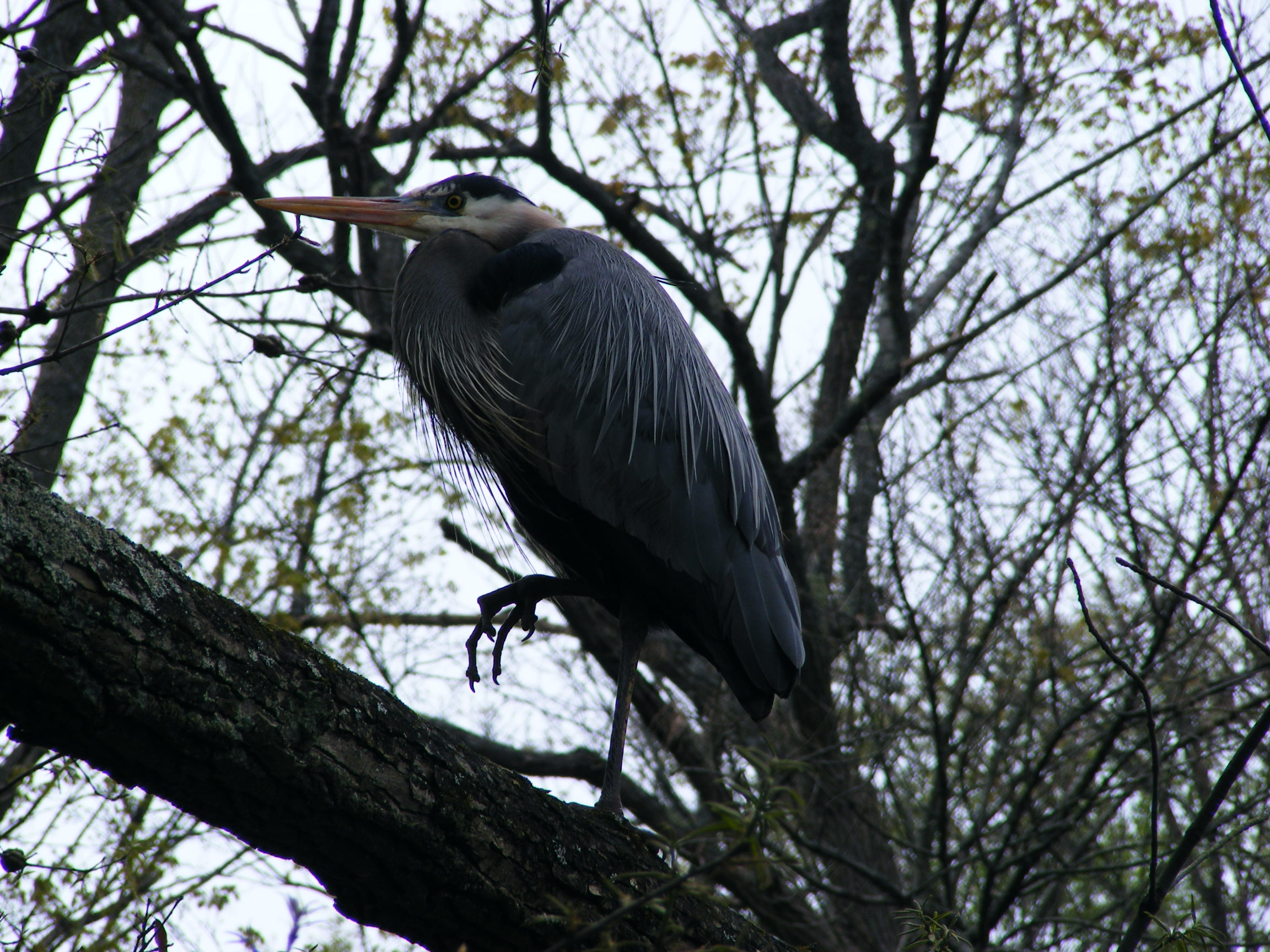
Can you believe it? A Blue Heron.

We began to stroll around the Lily Pond.

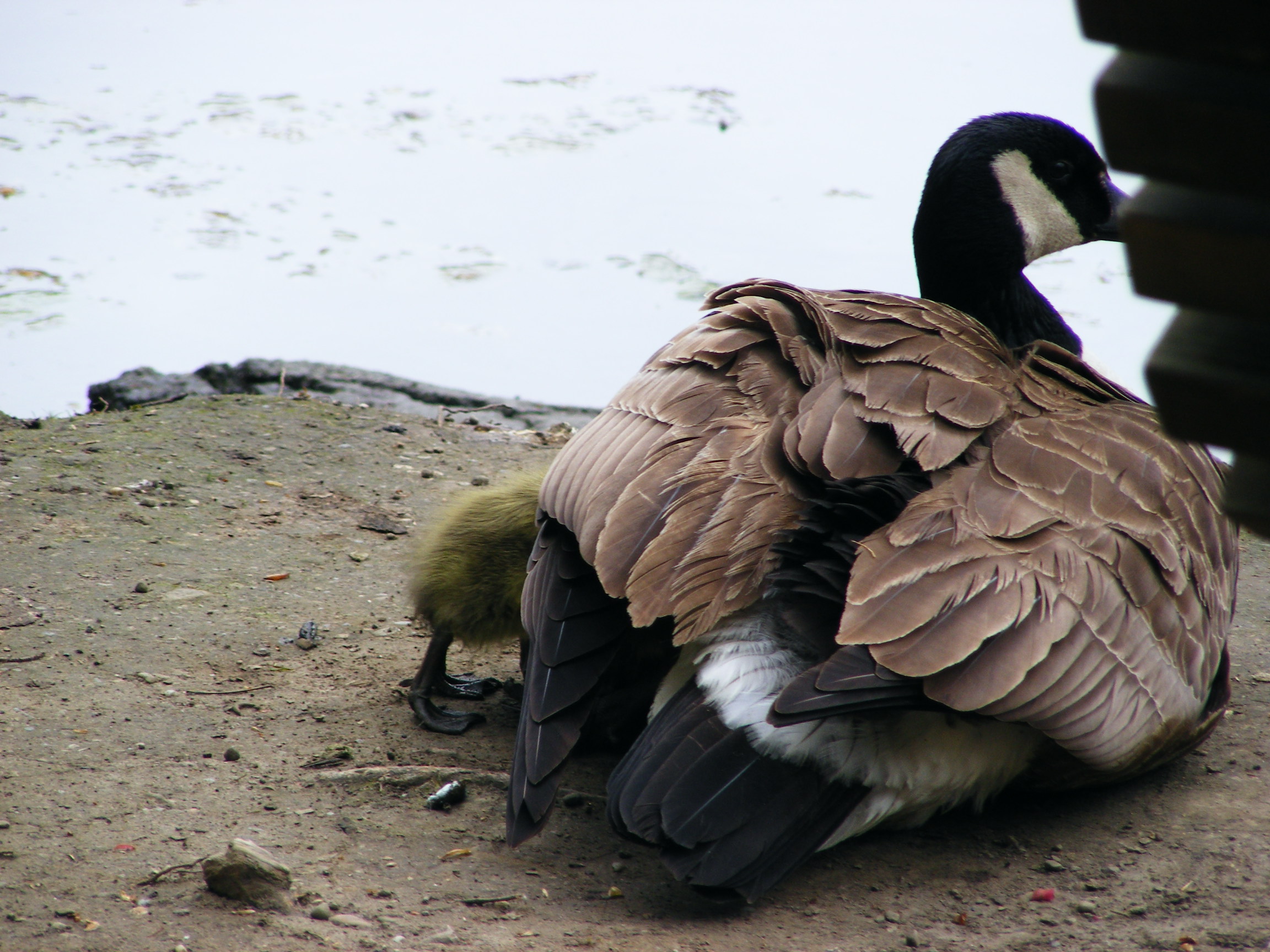
There was another goose family. The little ones warmed up under the mother’s wing.

It was the neatest thing.

 But the best picture of the day was another capture of the Heron.

Posted in photography, wildlife | Tagged , , , , , , , | Leave a comment

Pdx

Best wishes on your adventure

lewisandclarkandmark's avatarLewis and Clark and Mark

Just landed in Portland!
There is a bike assembly area in the airport and lots of bicycle parking. I’m currently on the Tri Met red line heading downtown. I was told to expect delays because I’d an occupy Portland protest. I think some other cities in America should take a look at the way they do it here in Portland because from what I can see so far they do it right!

20120501-111746.jpg

View original post

Posted in Uncategorized | Leave a comment

A Walk in the Garden at Fellows Riverside Gardens

Although chilly, we had a beautiful walk in the garden on Saturday.

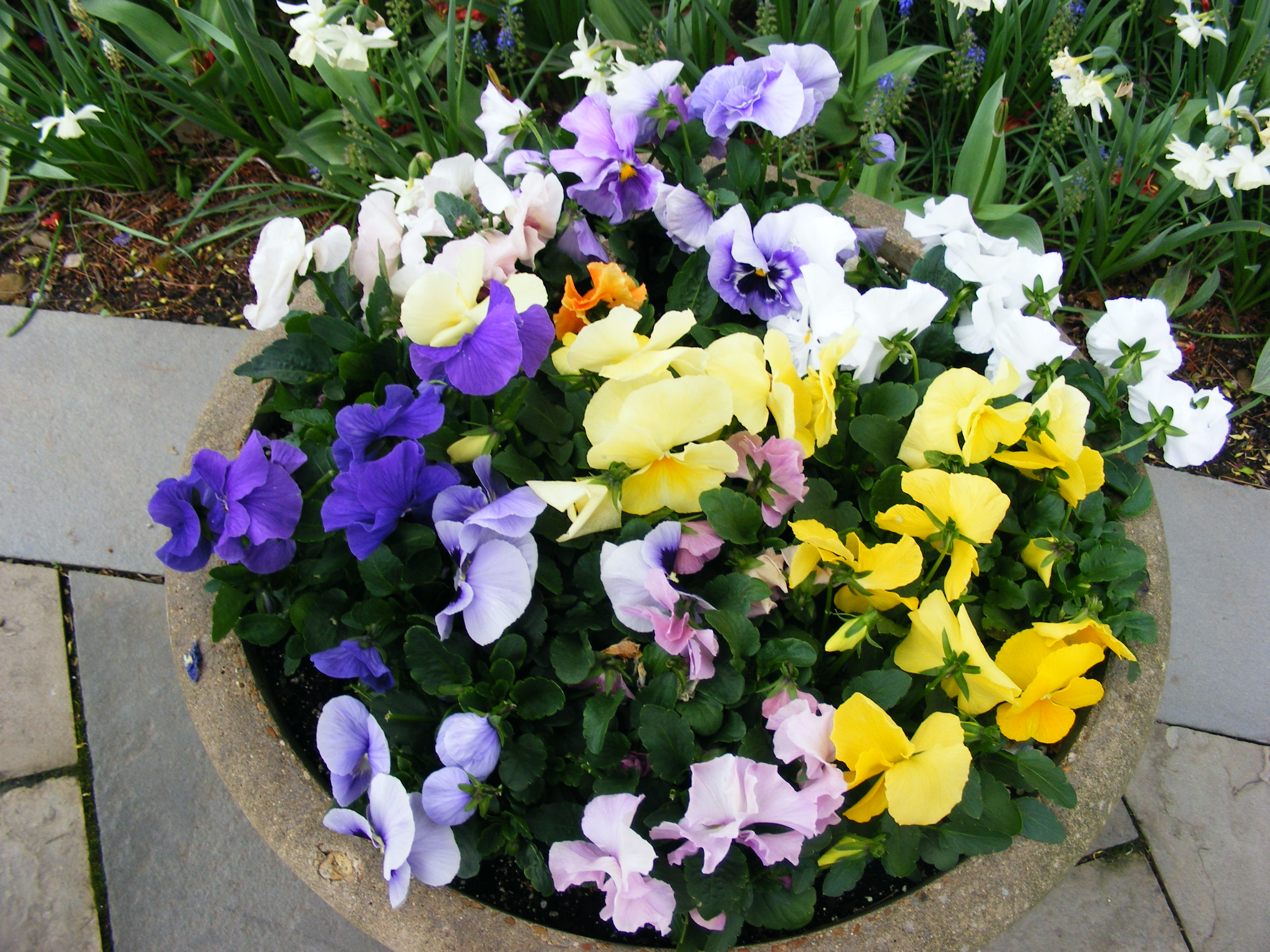
The pansies put on a colorful display on the cloudy morning.

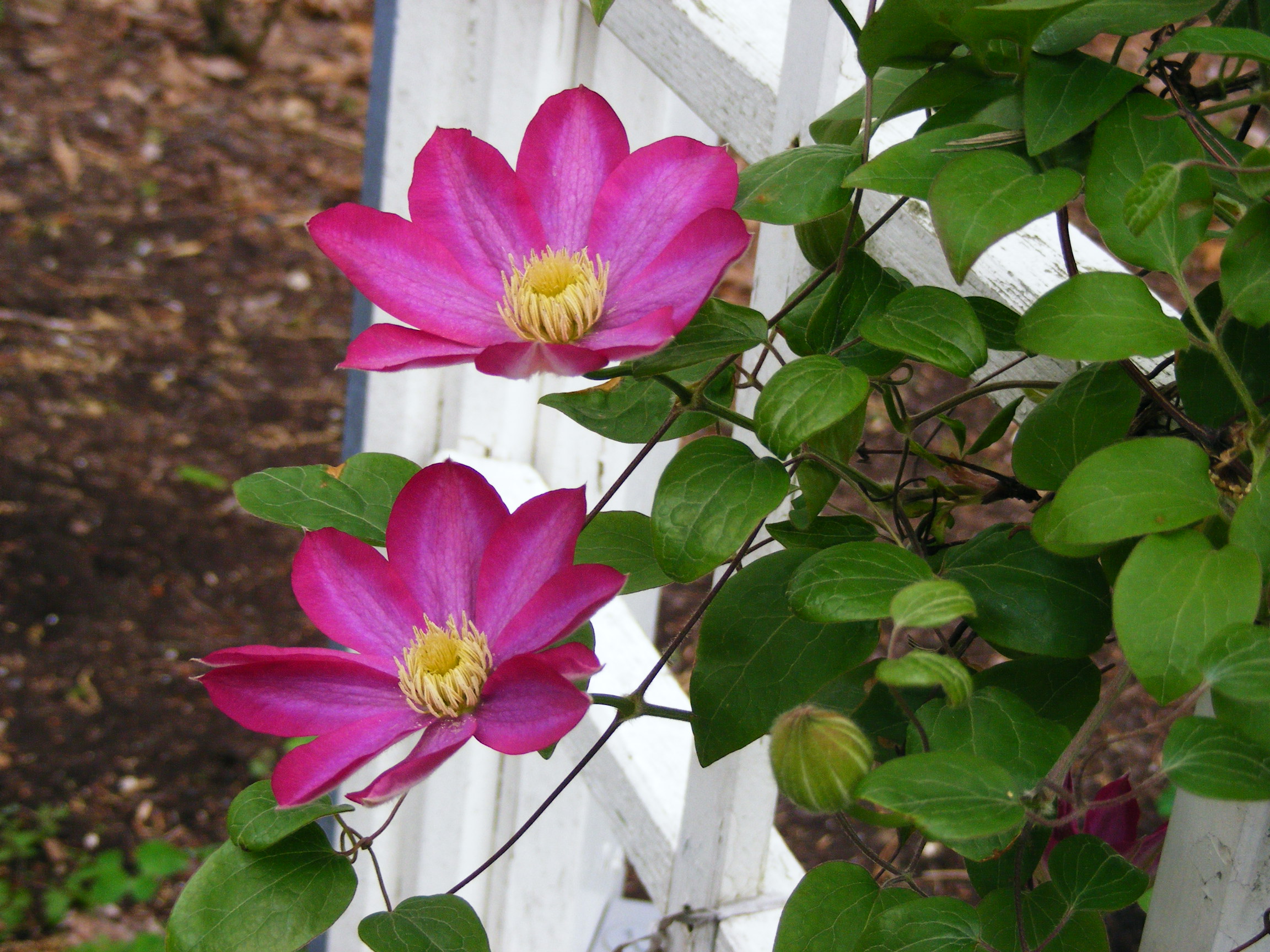
We liked the pink flowers on the trellis.

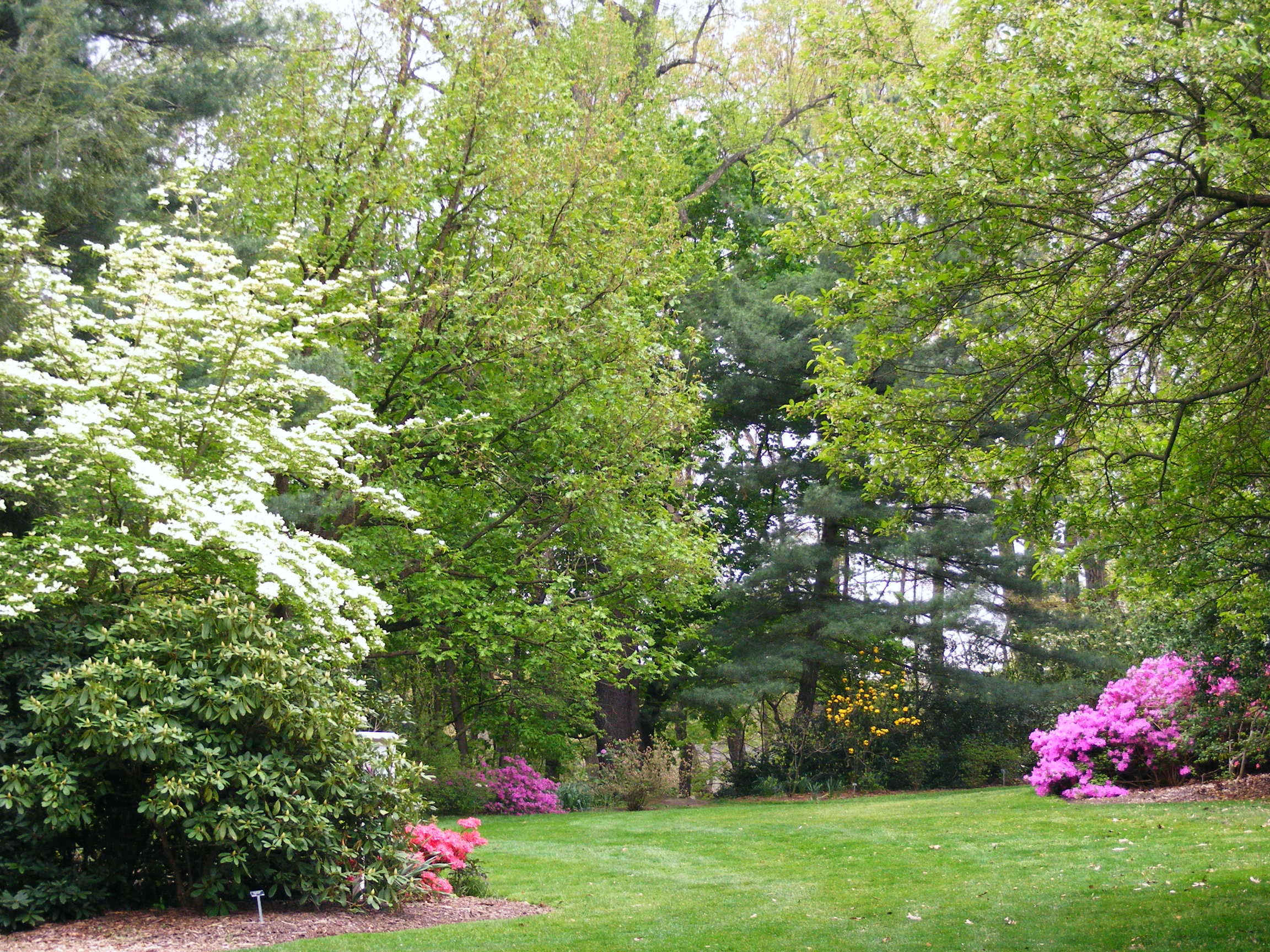
The many of the rhododendrons in the garden were blooming.

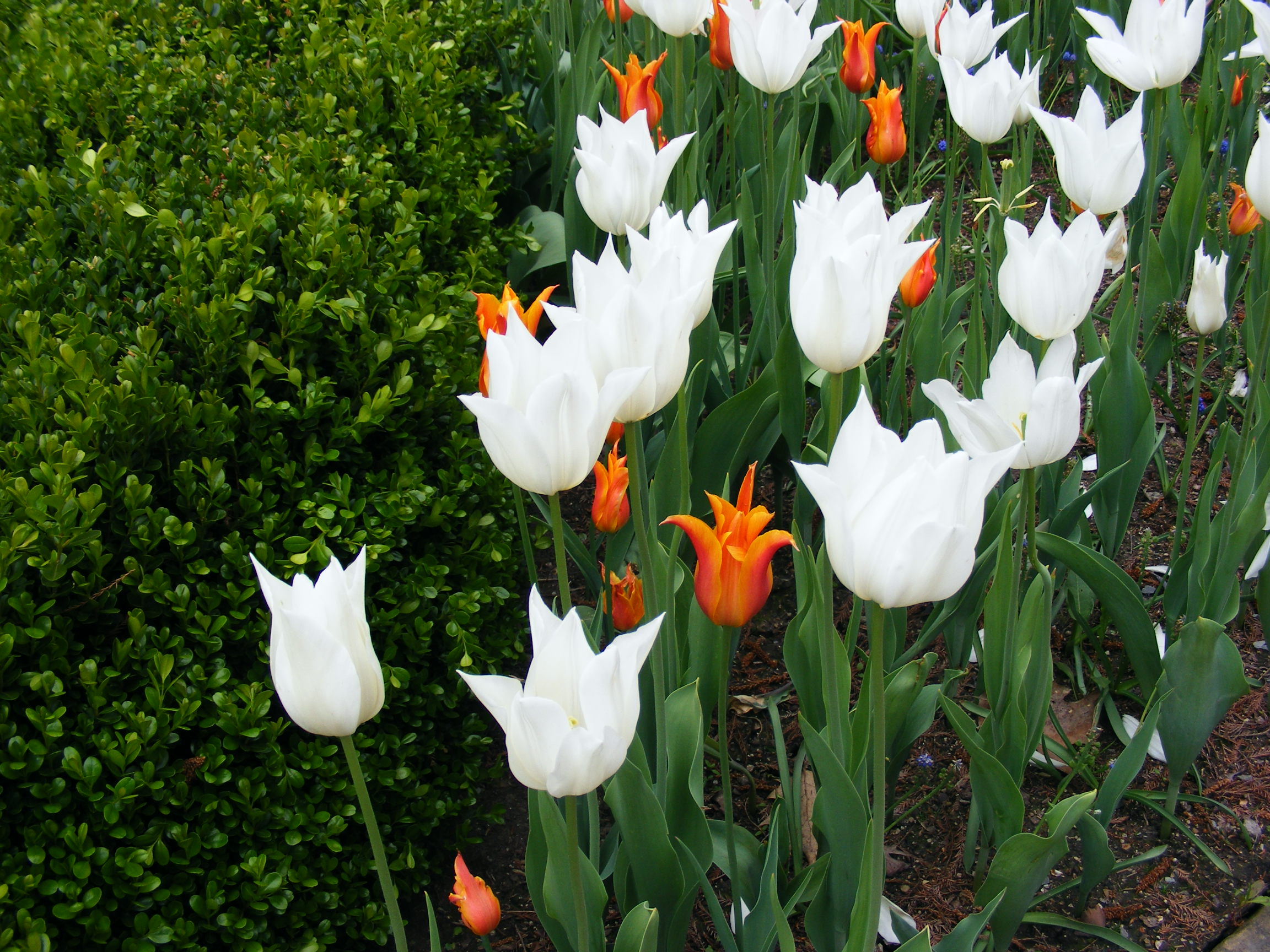
Many, many tulips along the lawn next to the fountain.

More colorful tulips in the garden.

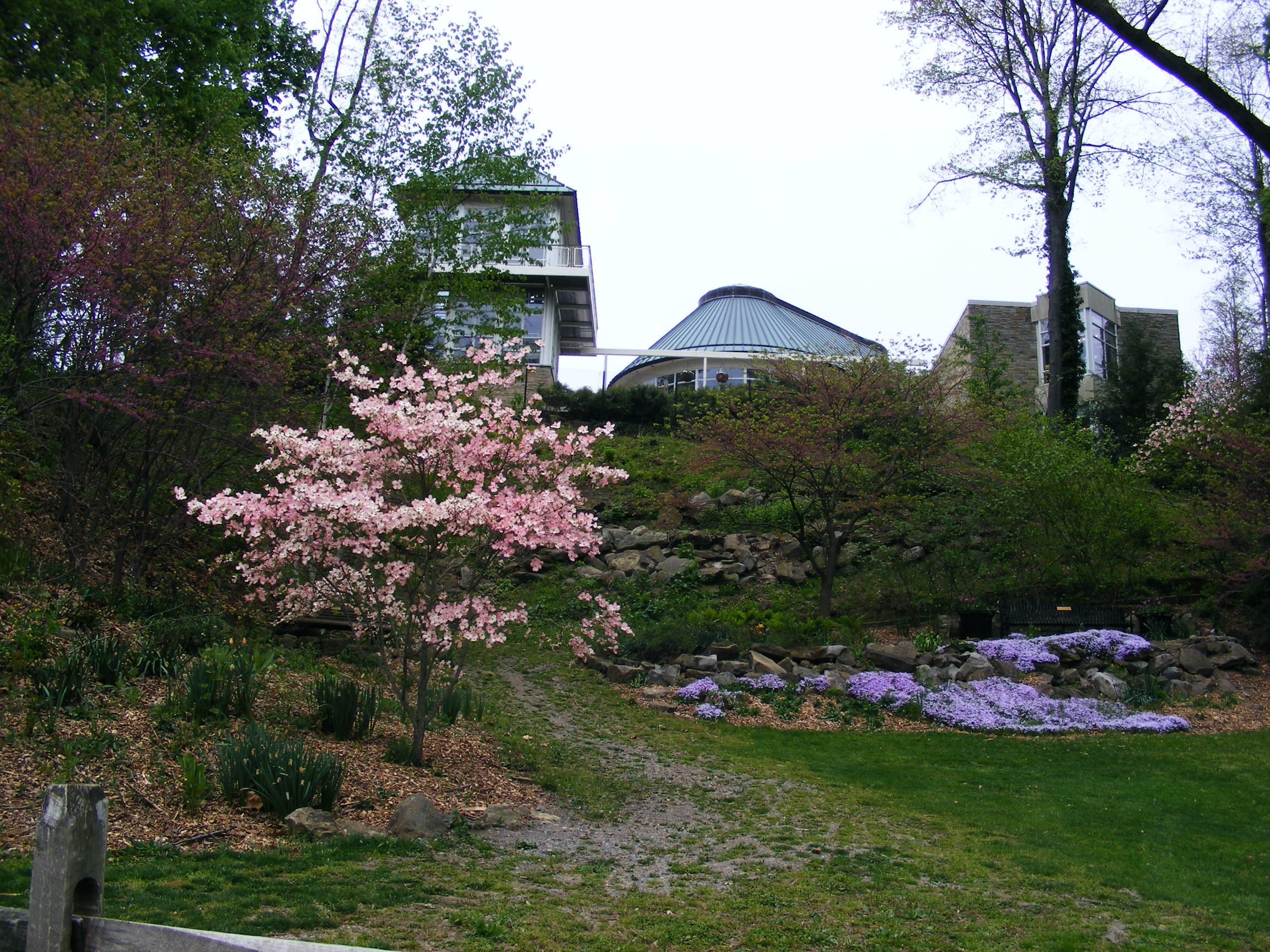
 A view from below.

Posted in photography | Tagged , , | 2 Comments

Mill Creek MetroParks

The Mill Creek MetroParks had a children’s book festival today. At “Plant the Seed to Read” there were many books, characters, and activities for children.

The gallery at the center featured artwork and poems about the Fellows Riverside Garden by local school children that had been made into a book.

However, my favorite thing (Sorry Thing 1), was Curious George. Curious George is a lifelong learner who isn’t afraid to try anything. He also believes everyone in the world is a friend. I like Curious George’s worldview. If the world is a place to play and everyone is a friend, then many good things can happen.

Posted in Photo Album, teaching | Tagged , , , , , , | Leave a comment

Talent Show

Look for Chris at the  Saints Peter
and Paul Talent Show tonight.

image

Posted in music camp, recital | Tagged , , , | Leave a comment

Music Camp

Music Camp will take place at Trinity Church from June 11- 15.  The theme this year is “Vacation Adventure.” Camp Flyer 2012

For more information, call Lorinda Troxler 724-774-0750.


Posted in music camp | Tagged , , , , , , , , , , , , , , , | Leave a comment

Eight pitches, Ten possible fingerings

Vivaldi’s Concerto in G Minor for two cellos is one of the works for Concerto Workshop this year. I have been looking at it with fresh eyes. In the first movement, both solo parts begin with the same two measures. From a logical fingering perspective, what are the possibilities for the third and fourth beats in each of those measures?

One of the common choices is to begin on B flat with first finger, extend to C using second finger, play the D with fourth finger, and then shift to second position and play the E flat with fourth finger. Then in the following measure, begin in third position on the D with a first finger, use second finger for the E flat, play the F with the fourth finger, and then shift to fourth position for the G using a fourth finger. This is the fingering that I learned the first time I did the piece. It is popular because the first shift is very accessible, putting the slide between the half step. The second measure fingering is parallel and easy to remember. It also ends in fourth position which is a very secure position for many young cellists.

Alternatively, one could do the shifts using first and third position in the first measure (1X2 -1 2) and then third and fourth position in the second measure (1 2 -2 4). Currently, this is my new favorite. I like the security in third position and it seems unified to continue using third position in the following measure.

To open the door of choices, how many other options are available? A third possibility is to put the shift between the first two notes in both cases. Thus, the first measure  would use first and second position (1 – 1 3 4). While the second measure would begin in third position and then shift a half step (1 – 1 X2 4). An argument for using this fingering would be the first finger is a very strong finger.

A fourth thought would be to begin in half position and shift to second position (1 3 – 3 4). In the following measure, use second position and then shift to fourth position (2 3 – 2 4). Not as comfortable as you would like?

Try beginning in first position with extension and then shifting to second position in the first measure (1 X2 – 2 3). In the following measure, use third position and then shift to fourth position (1 2 – 2 4).

Ready to break the door open to more outrageous ideas? Suppose both four note passages were executed with one finger per note. The first one would look like (1 X2 3 4). In my case, it is not comfortable to do the same pattern on the second one. The closest choice I liked was start in third position and then move to fourth position (1 2 4 – 4).

What if part of the first measure was done on the d string? It might look like fourth position (2 4) to third position on the a string (1 2). The second measure then could be third position to fourth position (1 2 – 24).

Do you like the way it sounds on the d string?  Perhaps this is your cup of tea. Start in fourth position (2 4) and then shift (2 3). In the following measure, begin with one on D (1 2) and then shift again (2 3). Would I use it in performance? Doubtful, but the purpose of the exercise is to explore lots of options.

So I’ve found eight choices so far. Let’s make it ten. Try beginning in first position and shifting to second position (1 2 4 – 4). Then play the first two beats of the second measure in second position, continue with our notes in question (3 4) and shift to fourth position (2 4).

Option ten, half position to third position (1 3 – 1 2) in the first measure. Third position to fifth position in the second measure (1 2 – 1 3).

So which is the best? It depends!

What do you like the best?
Posted in cello duets, concerto workshop, question corner, teaching | Tagged , , , , , , , , | Leave a comment